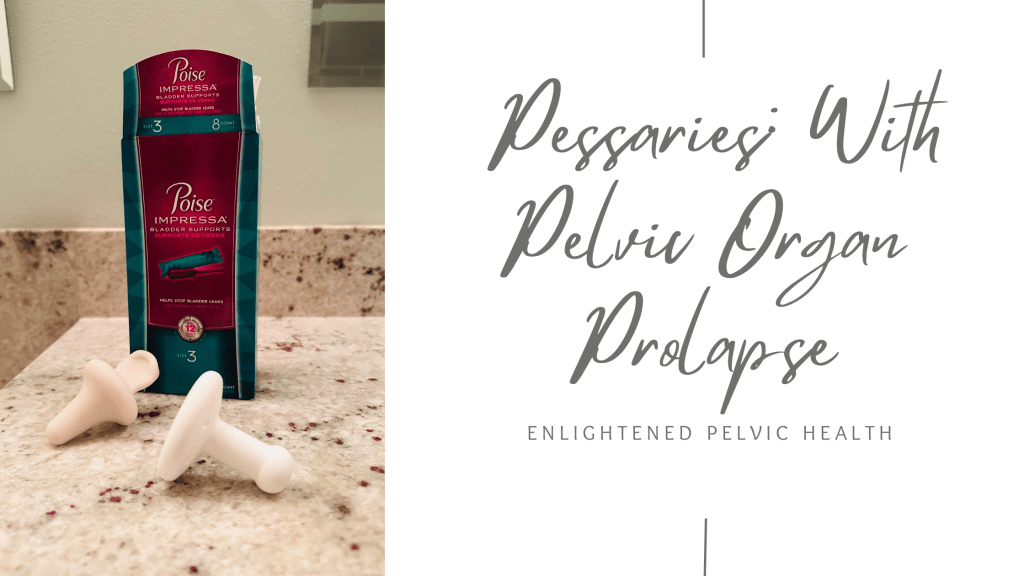
For many women experiencing pelvic organ prolapse, bladder leakage, or pressure in the pelvis, the idea of surgery can feel overwhelming—or simply not the right choice right now. That’s where a pessary can come in as a game-changing, non-surgical opt
If you’ve never heard of a pessary before, think of it like a small supportive device (usually made of medical-grade silicone) that’s worn inside the vagina—like a retainer, but for your pelvic floor. It helps support the vaginal walls and organs that may have shifted or dropped due to weakened tissues.
Let’s break down what pessaries are, what types exist, what they’re used for, and how they might help you feel more like yourself again.
What Is a Pessary?
A pessary is a removable device inserted into the vagina to support areas affected by pelvic organ prolapse or to help with stress urinary incontinence. It’s fitted by a healthcare provider, typically a urogynecologist, and can be worn long-term or during certain activities, depending on the type and your goals.
Understanding Pelvic Organ Prolapse
Before we dive into pessary types, let’s review the kinds of prolapse that can occur:
• Cystocele (Anterior Prolapse): When the bladder drops into the front wall of the vagina.
• Rectocele (Posterior Prolapse): When the rectum pushes into the back wall of the vagina.
• Uterine Prolapse: When the uterus descends into the vaginal canal.
• Vaginal Vault Prolapse: Occurs after a hysterectomy, when the top of the vaginal canal drops.
• Enterocele: When the small intestine pushes into the vagina, often after hysterectomy.
Each type of prolapse can cause symptoms like heaviness or pressure in the pelvis, a visible bulge at the vaginal opening, low back pain, difficulty peeing or pooping, or changes in intimacy.
Types of Pessaries (and What They’re Used For)
There’s no one-size-fits-all pessary. The type of pessary used depends on your anatomy, type and grade of prolapse, lifestyle, and whether you want to remove it yourself. Below are the most common types:
- Ring Pessary
• Looks like: A soft silicone ring, like a flexible donut.
• Used for: Mild to moderate uterine or bladder prolapse.
• Why it’s popular: It’s easy to insert and remove—many patients manage this themselves. Great for daily wear or during active times. - Ring with Support (Diaphragm Style)
• Looks like: A ring with a crossbar or mesh across the center.
• Used for: Slightly more advanced prolapse than a standard ring.
• Best for: Uterine or vaginal vault prolapse. - Gellhorn Pessary
• Looks like: A flat disc with a small stem in the center.
• Used for: Moderate to severe prolapse.
• Note: It’s firmer and needs to be removed by a provider, typically every few months for cleaning. - Cube Pessary
• Looks like: A soft silicone cube with suction indentations.
• Used for: More severe prolapse or when other pessaries fail.
• Good to know: Creates a suction hold, so often needs to be removed nightly. - Donut Pessary
• Looks like: A thick ring or inflated lifebuoy.
• Used for: More advanced prolapse cases (grade 3 or 4).
• Note: Can be bulky but effective for major support. - Incontinence Dish or Ring with Knob
• Used for: Primarily stress urinary incontinence (leaking with coughing, sneezing, etc.), though it may also support mild prolapse.
• Bonus: Often worn just during exercise or active times. - Gehrung or Hodge Pessary
• Used for: More complex support needs or when the vaginal shape is unusual.
• Fitting is key: These are less commonly used but very helpful for specific cases.
Who Fits a Pessary?
A urogynecologist, pelvic floor therapist in collaboration with a medical provider, or gynecologist typically fits a pessary. During a fitting, your provider will assess your prolapse grade, vaginal length and width, and symptoms to determine the right shape and size.
What Is Life Like With a Pessary?
• You can pee, poop, walk, and be intimate with certain types.
• You may be able to remove and clean it yourself (especially ring types).
• Some are meant to stay in for months at a time and cleaned during office visits.
• You may need to use vaginal estrogen if postmenopausal, to keep the tissue healthy.
Pelvic Floor Therapy + Pessary = Powerful Combo
Pessaries help support, but pelvic floor therapy helps restore. Think of a pessary as the scaffolding that helps hold things in place while you work on strengthening, relaxing, and improving function with the right guidance. Many women use a pessary short-term while strengthening, or long-term for sustainable support.
Final Thoughts
Pessaries aren’t just for “older women,” and they’re not just a last resort. They’re a smart, flexible tool that can restore your quality of life, reduce symptoms, and help you feel confident in your body again.
If you’re curious whether a pessary could help you, talk with your pelvic floor therapist or a urogynecologist about what’s right for your body and lifestyle.
Love and light,
Becca
 Enlightened Pelvic Health